
Straight Talk: Allergens in cosmetics. Why they're in natural scents too.
The word allergen on a label doesn't sound particularly romantic, and somewhere in the back of our minds it suggests something we ought to avoid. Lavender, orange, rose or cinnamon read much better. Yet from a chemical point of view, the line between these two worlds isn't nearly as thick as it might seem. Natural essential oils, of all things, naturally contain substances that are labelled as fragrance allergens in cosmetics. We have written separately about what our soaps are made of.
So yes. Even a soap scented only with essential oils usually contains allergens. Not because we have secretly slipped synthetic fragrances into it, but because nature is chemically far more complicated than the picture of lavender on the label suggests.
What does “allergen” actually mean and where does it come from in a scent?
An essential oil is a concentrated mixture of volatile aromatic compounds that the plant has produced itself. A single oil can contain dozens to hundreds of different substances, and their proportions create its characteristic scent.
Among these substances there are, quite naturally, some that are known for their allergenic potential. In cosmetics we label them as fragrance allergens, and when they exceed the concentration set by law they are listed separately in the ingredients list. Typical examples are limonene, linalool, citral and geraniol. Limonene is a common component of citrus essential oils, linalool is found in lavender, for example, and geraniol in rose or geranium.
So when you find these names on the label of a soap with essential oils, it doesn't automatically mean we added them to the recipe as separate ingredients. They may be a natural part of the oil we scented the soap with.
And one more important thing: the same rules for labelling fragrance allergens apply regardless of whether they come from an essential oil or a fragrance composition. A limonene molecule doesn't stop being a potential allergen because it comes from an orange, and it doesn't become one just because it's part of a synthetically created fragrance. In terms of allergenic potential, what matters is the specific substance and its amount, not the romance of its origin.
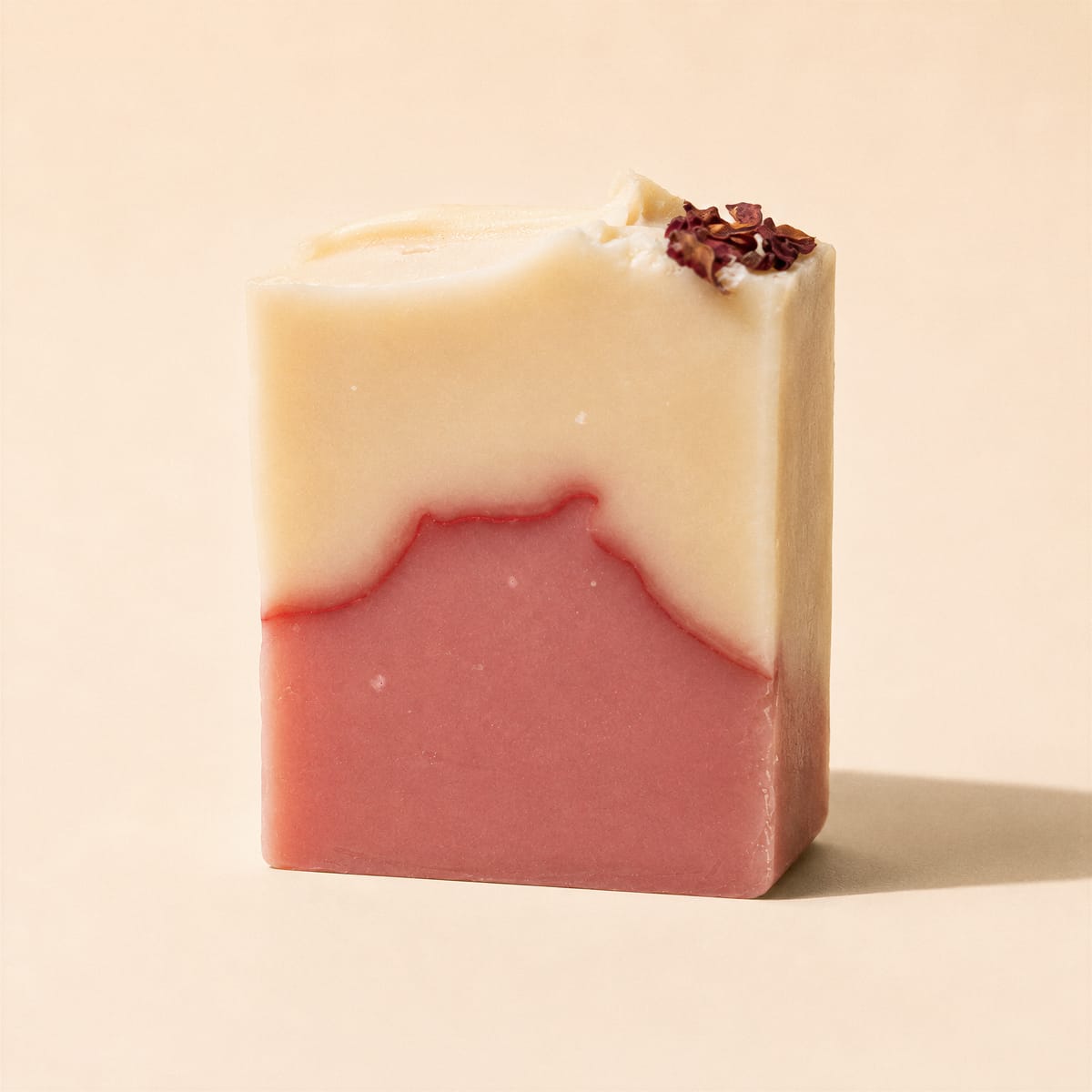
Why are there suddenly more allergens on labels?
If you were used to shorter lists and start finding more names of fragrance allergens on new labels, it doesn't mean we have started adding more essential oils or changed our recipes.
The rules have changed.
European legislation has extended the list of fragrance allergens that, under specified conditions, must be listed separately on cosmetic products. New substances have been added to those declared originally. The result can be a considerably longer INCI even for a product whose recipe and amount of scent used have stayed the same.
At first glance, then, a new label may look “more chemical” than the old one. In reality, though, what's inside hasn't changed. What has changed is the amount of information we have to state about it on the outside.
And in this case, a longer list is actually good news. Someone who knows they are sensitive to a particular fragrance substance gets more precise information about what the product contains.
Does allergen mean the substance is dangerous?
No. And this is exactly where the little word “allergen” pays a bit of a price for its name.
Labelling a substance as a fragrance allergen doesn't mean everyone who comes into contact with it will have an allergic reaction, nor that a product containing it is automatically dangerous. It means the substance has a known potential to trigger an allergic contact reaction in sensitive people, and so its presence should be stated transparently under specified conditions.
This information matters above all to someone who already knows they are sensitised to a particular substance and needs to avoid it.
That's why a longer list of allergens doesn't automatically mean a worse formulation. And a shorter list doesn't automatically mean a product is gentler, safer or more natural.
And what about synthetic fragrance?
Fragrance compositions, too, can contain exactly the same fragrance allergens as essential oils. So the difference isn't as simple as natural scent versus allergens on one side and synthetic scent versus chemicals on the other.
A perfumer can work with both natural and synthetic aromatic substances, and the resulting fragrance composition can contain regulated fragrance allergens, just as a lavender or citrus essential oil can. At the same time, a fragrance composition can be deliberately put together so that its content of certain allergens is low or so that it contains none.
That's why the simple equation natural scent = fewer allergens doesn't hold. Natural origin tells us something about where an ingredient comes from, not automatically about its allergenic potential.
So why do we use essential oils?
Because we're not just looking for a nice scent.
Essential oils are complex plant materials and their scent comes from a natural combination of dozens to hundreds of volatile compounds. It's precisely this complexity that gives them a character you can't expect from a synthetic fragrance composition.
Related to this is the aromatherapeutic side, which we take into account when choosing oils. We don't mean anything miraculous by it. We mean something quite ordinary: that you smell the soap before you use it, that the scent reminds you of something and sets a mood and that it then accompanies you gently while you wash, not forcefully. That's what we really want from a scent in the bathroom.
The second reason is transparency. With a fragrance composition, the exact make-up of the blend is usually its manufacturer's trade secret. So on the label of a cosmetic product, the customer sees the term parfum or aroma and the fragrance allergens that must be declared, not a complete list of all the aromatic molecules the perfumer built the scent from.
With an essential oil, we know which plant material it comes from, and its chemical composition can be characterised analytically. Even two natural oils needn't be identical molecule for molecule – a plant isn't a chemical factory with perfectly identical production batches – but the origin and character of the scent ingredient used are much easier to read.
For MuSK, this matters. We don't use essential oils because “natural” automatically means better or risk-free. We use them where we want the scent of a particular plant, its natural complexity and the aromatherapeutic side that is part of the soap's overall character.
And at the same time, we feel no need to pretend that a natural scent is free of chemistry. Without chemistry, it wouldn't smell of anything at all.
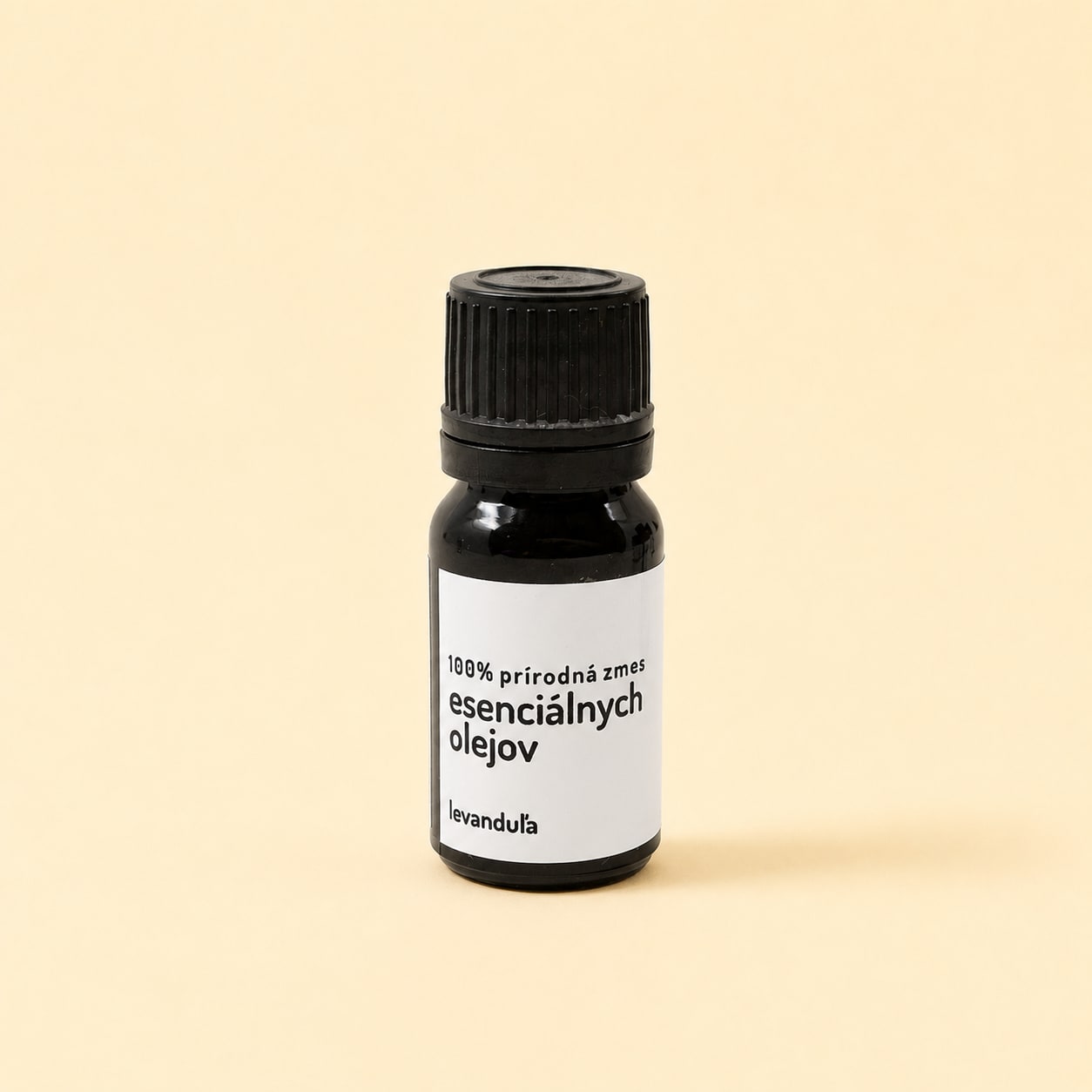
Why are allergens listed on the label?
Because a label isn't meant to say only what sounds good. It's meant to give people the information they need.
If the essential oil or fragrance composition used contains a regulated fragrance substance and its final concentration in the finished product exceeds the legal limit for declaring it, it appears separately in the ingredients list.
That's why you may see the essential oil used on a soap's packaging and, alongside it, a whole string of names such as linalool, limonene, geraniol and citral. They aren't there to make the INCI look more complicated. They're there so that someone with a particular allergy knows what they need to avoid.
And the more information legislation requires today, the longer this list can be.
What this looks like in our soaps
For us this isn't theory; you can read it on the packaging. The one that appears most often in our ingredient lists is limonene, followed by linalool and geraniol, then citral and citronellol. After them come eugenol, farnesol, benzyl benzoate and benzyl salicylate.
It isn't a random line-up. It mirrors exactly the essential oils we use most in the soap workshop: lavender, citrus, mint, geranium and the spicy group around cinnamon and clove.
At the same time, not every one of our soaps contains allergens. Some recipes are scented with herbs rather than essential oils and some aren't scented at all; those have no allergens line in their ingredients. Eight of our soaps are like that.
If you want to avoid them completely, we have a separate category for that. The Bare Skin and Tender Touch soaps are free of scents and colourants, and in their ingredients you'll find only saponified oils, glycerine and water.
Lavender is chemistry too. Luckily.
With cosmetics, we have an odd habit of dividing ingredients into “natural” and “chemical”, as if plants followed different laws of physics from the rest of the world.
They don't.
The scent of lemon is chemistry. The scent of rose is chemistry. Linalool is chemistry. Water is chemistry. And soap itself is created by a chemical reaction between fats and an alkali.
So a far more useful question than “is there chemistry in it?” is: What is in the product, why is it there and is it used correctly?
A natural scent can therefore quite happily contain allergens. It isn't a flaw in the recipe or a little scandal hidden at the end of the INCI. It's simply a property of the aromatic substances the scent is made of.
Because nature can smell wonderful. It just turns out it needs a fair dose of chemistry to do so.
To lather is human. Fearing every allergen, less so.
Browse the soaps.


To lather is human. So is subscribing.
New recipes, myths from the soapery and market dates. We only write when we have something to say.